


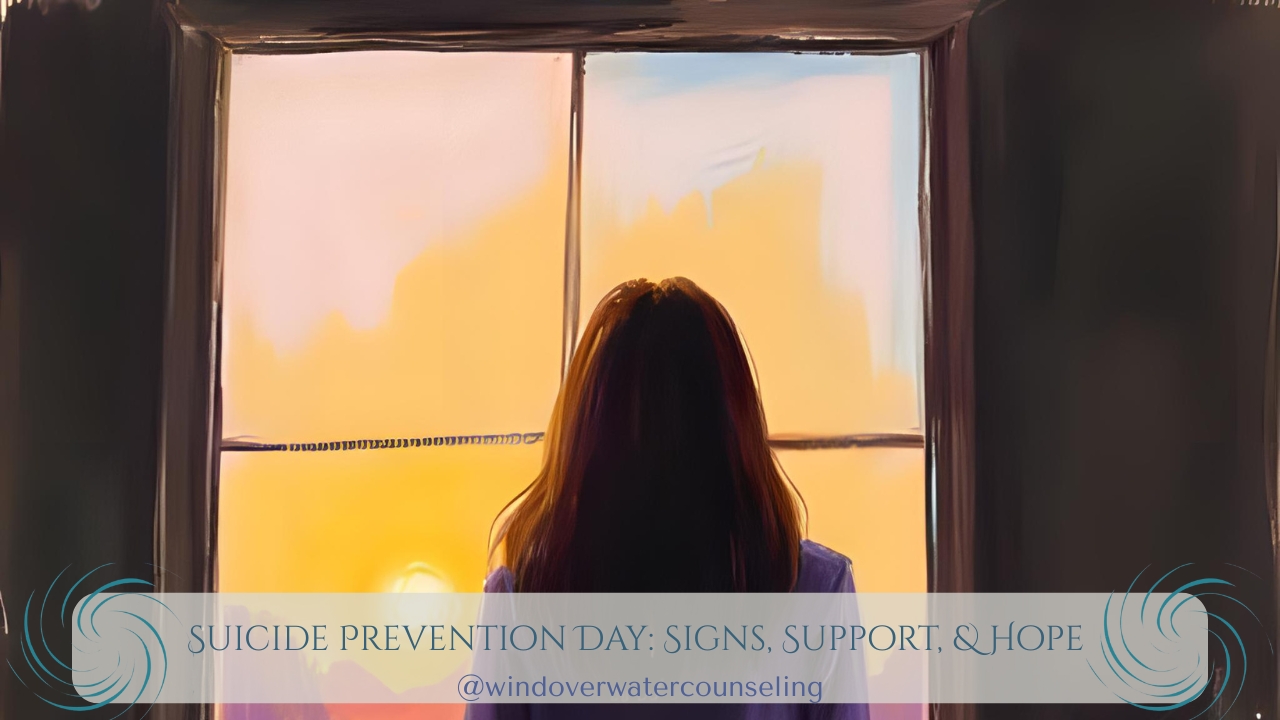


Each September 10, Suicide Prevention Day reminds us that talking about suicide doesn’t create risk-it creates connection. For high-achieving women navigating burnout, body image distress, trauma, or eating disorders, this day is more than an awareness campaign. It’s a lifeline.
Why Suicide Prevention Day Matters
We picture suicide risk as something we can easily see-severe depression, visible withdrawal, or public cries for help. But for many high-functioning women, distress hides behind perfectly met deadlines, immaculate to-do lists, and “I’m fine” on repeat.
The truth: Achievement can mask suffering. The very skills that help you succeed-persistence, self-control, problem-solving-can also hide the depth of your pain from others and, sometimes, from yourself.
Understanding Suicide Risk


We all know the standard risk factors (I hope) – the warning signs that something is not right. But just in case, here are the signs you or a therapist might look for, or talk about, if they are worried someone might hurt themselves. If you see one or more of these-especially if they’re new, getting worse, or just feel “off”-check in and get help.
What They Say
- Talking about wanting to die or “not be here anymore”
- Saying they feel hopeless, trapped, or like a burden
- Sharing a lot of guilt, shame, or self-blame
- Saying life has no purpose or meaning for them
What They Do
- Giving away belongings they care about
- Saying goodbye in a way that feels final
- Looking for ways to hurt themselves
- Pulling away from friends, family, or activities
- Taking big risks or acting in unsafe ways
What You Notice
- Big changes in sleep-hardly sleeping or sleeping all the time
- Changes in eating-eating much less or much more
- Not taking care of themselves like they used to
- A sudden sense of calm after being upset for a long time
If you notice these signs:
- Stay with them or make sure someone else can
- Remove anything they could use to harm themselves
- Call or text 988 in the U.S.
- If they’re in immediate danger, call emergency services

Important:
Any talk about wanting to die, feeling like a burden, or having no reason to live should be taken seriously-even if the person says they’re “not serious.”
Burnout, perfectionism, and isolation
When your identity is built on being capable, you may not feel allowed to rest or ask for help. Chronic burnout erodes coping skills and fuels hopelessness.
Body image, eating disorders, and suicidal thoughts
Eating disorders carry one of the highest mortality rates of any mental illness-often due to suicide, not just medical complications. The shame and isolation that accompany disordered eating can intensify suicidal thoughts.
Trauma’s role in suicidal ideation
Past trauma-especially when it’s minimized or invalidated-can leave a lasting imprint on how safe you feel in the world, making hopelessness and self-blame more likely.
Warning Signs You Shouldn’t Ignore
Emotional red flags:
- Expressing hopelessness (“It’s never going to get better”)
- Feeling like a burden
- Intense shame or self-criticism
Behavioral changes:
- Withdrawing from social contact
- Giving away possessions
- Sudden calm after a long period of distress
Physical shifts:
- Changes in eating or sleeping patterns
- Neglecting health or appearance
- Increased alcohol or substance use
If you notice these in yourself or someone else, don’t assume it’s “just stress.”
How to Help-Even if You’re Not Sure What to Say
Listen without fixing
Your job isn’t to solve everything-it’s to show up and make space for honesty.
Ask directly about suicide
Research shows asking about suicidal thoughts does not increase risk. Try: “Sometimes people feel so overwhelmed they think about ending their life. Has that been true for you?”
Connect them to professional help
Encourage a call or text to crisis lines, or offer to sit with them while they reach out.
Crisis Resources
- 988 Suicide and Crisis Lifeline – Call or text 988 (US)
- Crisis Text Line – Text HOME to 741741 (US/Canada)
- National Eating Disorders Helpline – Call or text 988 and specify eating disorders
- Veterans Crisis Line – Call 988, press 1
If danger feels immediate, call emergency services.
Caring for Yourself While Supporting Someone Else
Supporting someone in crisis can bring up your own anxiety or past experiences.
- Set clear boundaries around availability
- Debrief with a trusted therapist or friend
- Make space for your own rest and emotional processing
Hope and Recovery Are Possible
Suicidal thoughts are treatable symptoms, not life sentences. Evidence-based therapies-including CBT, DBT, and trauma-focused approaches-can reduce distress and restore hope. Recovery often looks like regaining choice, connection, and the belief that life is worth staying for.
If you’re struggling: You deserve support, not silence.
If you’re concerned about someone you love: Your presence can be the difference between isolation and connection.
Reach out to schedule a session and talk about what’s weighing on you. You don’t have to carry this alone.
- World Suicide Prevention Day
- What to Do When Mindfulness Backfires – Wind Over Water
- Silencing Your Inner Body Critic: The Self-Compassion Revolution
- Self-Care vs. Coping Skills Explained
